Hardest Puppy Week: What to Expect in Week 1
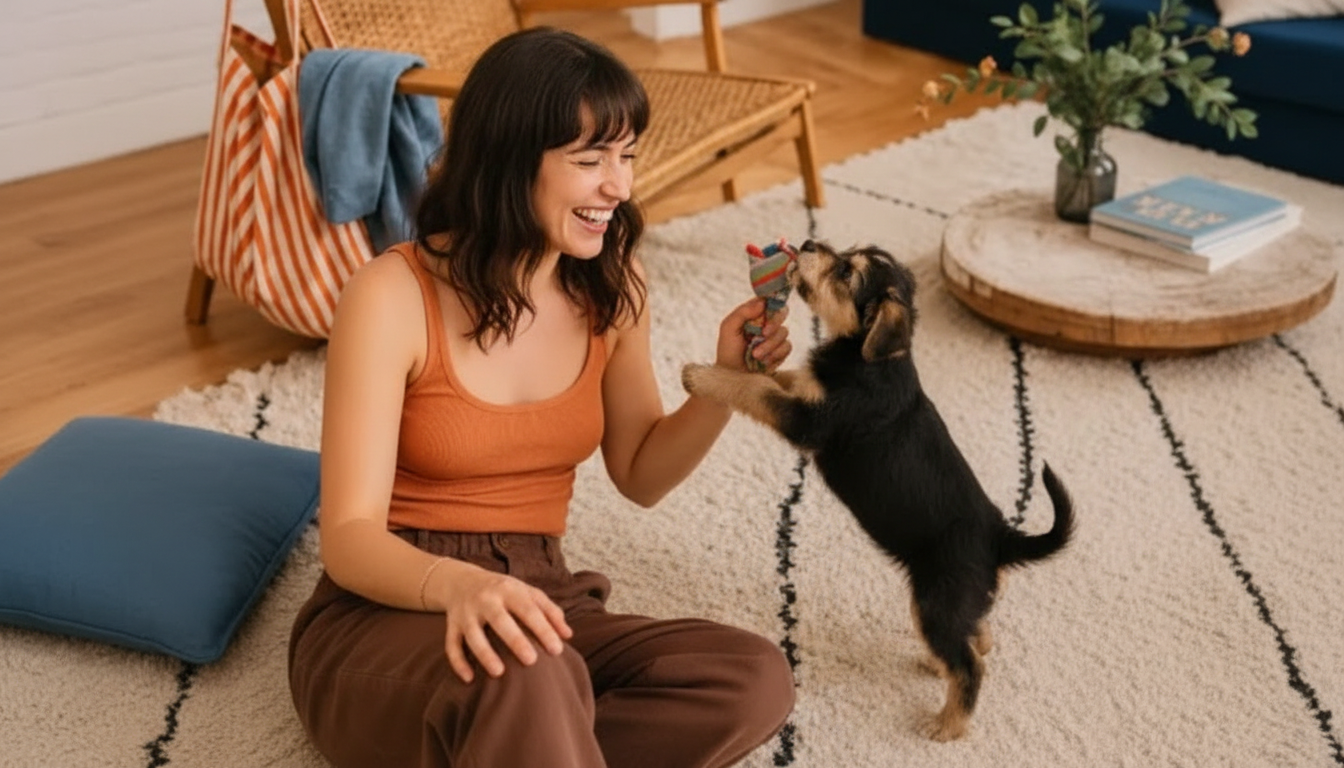
What is the hardest week of a puppy?
For many new pet parents, the hardest “week” is the first week your puppy comes home—often around 8 to 10 weeks old. That’s when big changes pile up at once: separation from mom and littermates, a brand-new environment, new people, new sounds, and the start of house training. Even confident puppies can act overwhelmed, clingy, or extra mouthy during this transition.
Why the first week feels so intense
The first week tends to be tough because it mixes emotional stress with a steep learning curve. Puppies may cry at night, have frequent accidents, and struggle with short attention spans. Biting and chewing also spike because exploring with their mouth is normal—and teething may be starting. Add in disrupted sleep for everyone, and it can feel like you’re “on duty” 24/7.
Other weeks that can feel equally hard
Some puppies hit another rough patch between 12 and 16 weeks as teething ramps up and curiosity grows. Later, adolescence (roughly 6 to 12 months, depending on breed) can be challenging in a different way: selective hearing, boundary testing, and sudden bursts of energy can make training feel like it’s sliding backward.
How to make the hardest week easier
Keep the schedule simple and predictable: frequent potty breaks, short play sessions, and plenty of naps. Use a safe confinement area to prevent accidents and chewing, reward calm behavior, and keep training sessions brief (30–60 seconds at a time is fine). If nighttime is rough, place the crate near you at first and gradually increase distance as your puppy settles.
For a deeper breakdown of timing, behavior changes, and what to expect by age, visit the full guide here: https://keybargainsnest.shop/what-is-the-hardest-week-of-a-puppy/.
FAQ
How long does the puppy adjustment period usually last?
Most puppies start settling in within 2 to 4 weeks, but full comfort with routines can take a couple of months. Consistent schedules, calm handling, and positive training usually speed up the process.











Leave a comment